Taking Flight Professionally: How to Become a Commercial Pilot After Private Training
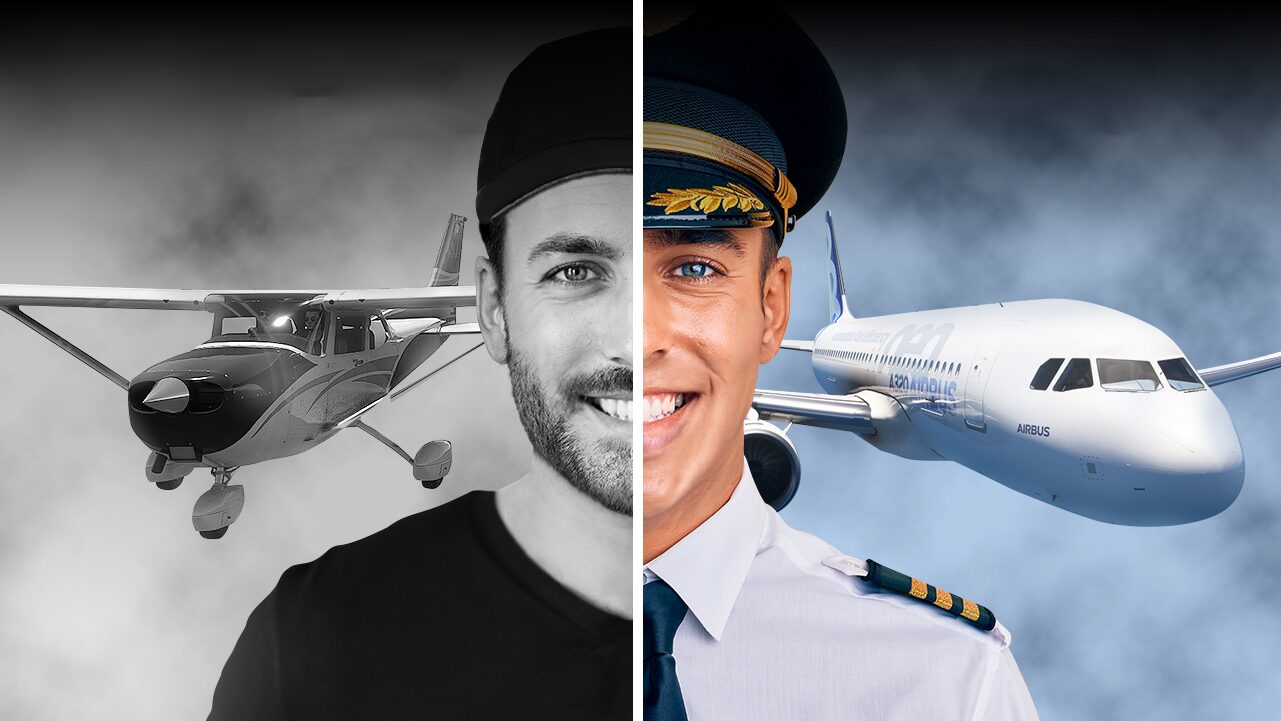
Earning a private pilot certificate is a monumental achievement, marking the moment you transitioned from a student to a licensed commander of an aircraft. For many, however, the joy of flying for recreation eventually evolves into a professional calling. Moving from the freedom of a private pilot to the responsibilities of a commercial aviator is a journey of refinement, precision, and significantly higher standards. While the private license taught you how to fly safely, the commercial certificate teaches you how to fly as a professional. This transition involves more than just logging a few extra hours; it requires a strategic series of ratings, rigorous academic study, and a commitment to mastering the aircraft in all conditions.
Building the Bridge with an Instrument Rating
While not strictly a legal prerequisite for the commercial certificate itself, obtaining an instrument rating is practically mandatory for anyone seeking a career in the cockpit. An instrument rating allows you to fly in weather conditions where visibility is low, relying solely on your cockpit instruments for navigation and control. Without this rating, a commercial pilot is restricted from carrying passengers for hire at night or on cross-country flights over fifty nautical miles, which effectively eliminates most professional job opportunities.
Training for the instrument rating is often considered the most difficult part of Florida flight lessons because it requires a complete rewiring of your sensory perception. You must learn to trust your instruments over your own inner ear, which can easily be fooled by the motion of the plane. This phase of training usually requires forty hours of actual or simulated instrument time and fifty hours of cross-country flight time as pilot-in-command. Mastering the instrument rating not only makes you a safer pilot but also provides a significant portion of the total flight hours required for your commercial check ride.
Academic Rigor and the Commercial Knowledge Test
Parallel to your time in the cockpit, you must return to the books for commercial ground school. The academic requirements for a commercial pilot are significantly more demanding than those for a private pilot. You are expected to have an expert-level understanding of federal aviation regulations, high-altitude operations, professional weather analysis, and complex aircraft systems. You will also study the legalities of “commercial carriage,” learning exactly what types of flying you can and cannot do for compensation.
Once your self-study or formal ground school is complete, you must pass the commercial pilot knowledge test. This written exam is a high-stakes assessment that covers everything from aerodynamics to crew resource management. Achieving a high score is not just about passing; it demonstrates to future employers that you have the discipline and intellectual capacity required to handle the complexities of professional aviation.
Refining Skills for the Commercial Checkride
The final hurdle in your transition is the commercial practical test, commonly known as the checkride. This consists of an intensive oral examination followed by a flight test with an examiner. While a private pilot checkride focuses on basic competency and safety, the commercial checkride demands “commercial standards.” This means maintaining altitudes within fifty feet and headings within five degrees, even while performing high-performance maneuvers.
During the flight, you will demonstrate advanced maneuvers like eights-on-pylons, steep spirals, and power-off 180-degree accuracy landings. The examiner is looking for more than just stick-and-rudder skills; they are evaluating your “command authority.” They want to see that you can make sound, professional decisions under pressure and that you can manage the cockpit resources effectively. Successfully completing this test earns you the right to be paid for your services as a pilot, officially opening the door to the professional aviation industry.
Conclusion
Transitioning from a private pilot to a commercial one is a challenging but rewarding evolution that transforms a personal passion into a professional career. It is a path paved with hundred-hour milestones, late-night study sessions, and the constant pursuit of perfection in the cockpit. By focusing on obtaining your instrument rating, building your hours with purpose, and preparing rigorously for the commercial standards of the checkride, you lay a solid foundation for a lifelong journey in the skies. The commercial certificate is more than just a piece of plastic; it is a testament to your skill, your knowledge, and your readiness to join the ranks of professional aviators around the world.